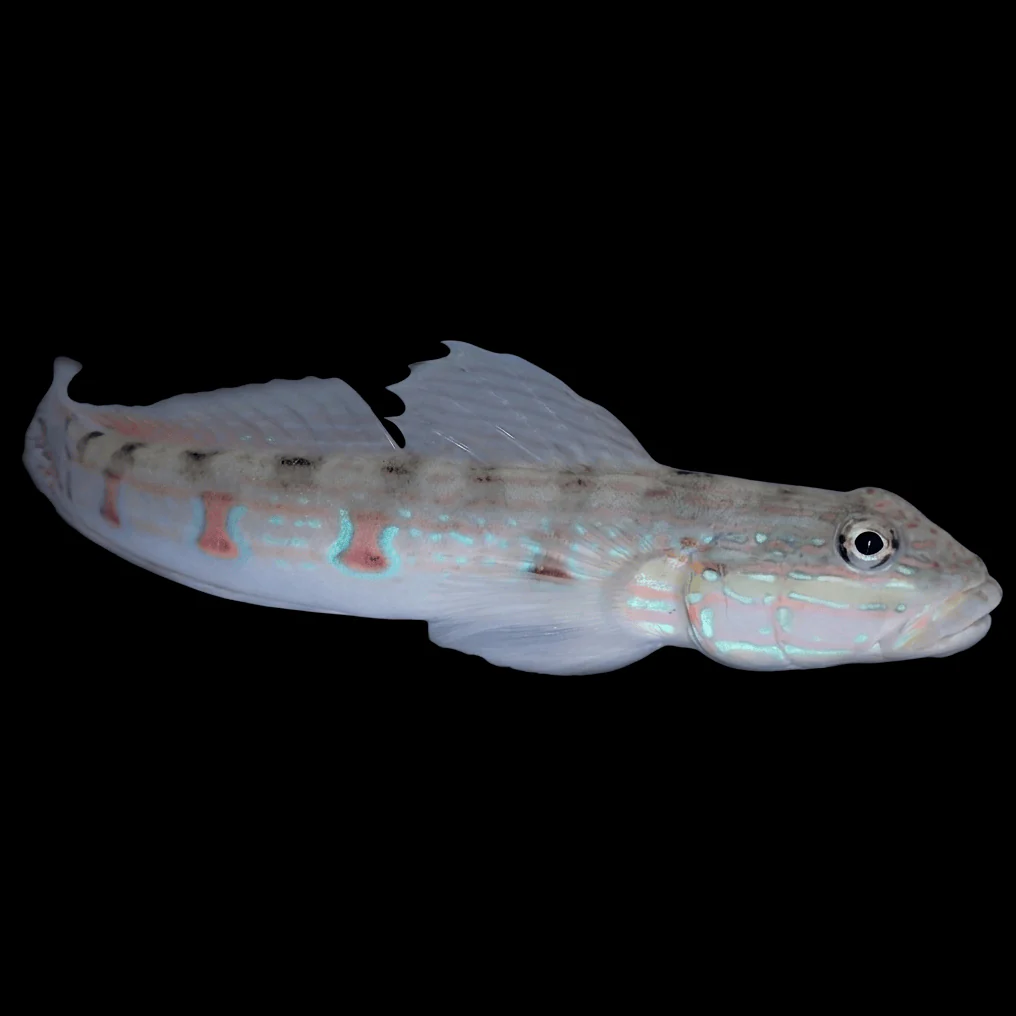
Striped Sleeper Goby - Valenciennea longipinnis
Introduction to Striped Sleeper Goby (Valenciennea longipinnis)
The Striped Sleeper Goby is a peaceful, sand-sifting species known for its constant activity and ability to keep substrate clean. Native to Indo-Pacific reefs, these gobies spend most of their time scooping mouthfuls of sand, filtering out organic material and microfauna, and expelling clean sand back into the tank. Their natural behavior not only helps maintain a cleaner sandbed but also adds movement and function to the lower areas of the aquarium.
Care Requirements
Care Level: Moderate
Minimum Tank Size: 40+ gallons
Aquarium Setup: Requires a deep, fine sandbed and established live rock with microfauna
Striped Sleeper Gobies rely heavily on the sandbed for feeding, so a mature tank with a well-developed population of beneficial organisms is important. A covered tank is recommended, as they are known jumpers.
Diet & Nutrition
Striped Sleeper Gobies are sand-sifting omnivores that feed on microorganisms found within the substrate.
Diet: Omnivorous – Consumes microfauna, detritus, and small food particles
Recommended Foods:
- Natural microfauna within the sandbed
- Frozen mysis shrimp and finely chopped meaty foods
- Sinking pellets or prepared foods (once acclimated)
Supplemental feeding is often necessary, especially in newer tanks where natural food sources are limited.
Lifespan & Growth Rate
Lifespan: 3–5+ years
Growth Rate: Moderate – Typically reaches around 5–6 inches
They grow steadily and remain active throughout their lifespan when properly fed.
Temperament & Compatibility
Temperament: Peaceful
Reef Safe? Yes – Will not harm corals or fish
Striped Sleeper Gobies do well in community reef tanks with other peaceful fish. Avoid housing them with aggressive species that may outcompete them for food.
Common Challenges & Considerations
- Sandbed Dependency: Requires a mature sandbed with sufficient microfauna
- Starvation Risk: Can deplete natural food sources over time without supplemental feeding
- Sand Sifting Behavior: May create sandstorms or deposit sand on corals
- Jumping Risk: Should be kept in a covered aquarium
Water Conditions
Temperature: 75–77°F
dKH (Alkalinity): 8–12
pH: 8.1–8.3
Specific Gravity: 1.024–1.026
Original: $104.99
-65%$104.99
$36.75Product Information
Product Information
Shipping & Returns
Shipping & Returns
Description
Introduction to Striped Sleeper Goby (Valenciennea longipinnis)
The Striped Sleeper Goby is a peaceful, sand-sifting species known for its constant activity and ability to keep substrate clean. Native to Indo-Pacific reefs, these gobies spend most of their time scooping mouthfuls of sand, filtering out organic material and microfauna, and expelling clean sand back into the tank. Their natural behavior not only helps maintain a cleaner sandbed but also adds movement and function to the lower areas of the aquarium.
Care Requirements
Care Level: Moderate
Minimum Tank Size: 40+ gallons
Aquarium Setup: Requires a deep, fine sandbed and established live rock with microfauna
Striped Sleeper Gobies rely heavily on the sandbed for feeding, so a mature tank with a well-developed population of beneficial organisms is important. A covered tank is recommended, as they are known jumpers.
Diet & Nutrition
Striped Sleeper Gobies are sand-sifting omnivores that feed on microorganisms found within the substrate.
Diet: Omnivorous – Consumes microfauna, detritus, and small food particles
Recommended Foods:
- Natural microfauna within the sandbed
- Frozen mysis shrimp and finely chopped meaty foods
- Sinking pellets or prepared foods (once acclimated)
Supplemental feeding is often necessary, especially in newer tanks where natural food sources are limited.
Lifespan & Growth Rate
Lifespan: 3–5+ years
Growth Rate: Moderate – Typically reaches around 5–6 inches
They grow steadily and remain active throughout their lifespan when properly fed.
Temperament & Compatibility
Temperament: Peaceful
Reef Safe? Yes – Will not harm corals or fish
Striped Sleeper Gobies do well in community reef tanks with other peaceful fish. Avoid housing them with aggressive species that may outcompete them for food.
Common Challenges & Considerations
- Sandbed Dependency: Requires a mature sandbed with sufficient microfauna
- Starvation Risk: Can deplete natural food sources over time without supplemental feeding
- Sand Sifting Behavior: May create sandstorms or deposit sand on corals
- Jumping Risk: Should be kept in a covered aquarium
Water Conditions
Temperature: 75–77°F
dKH (Alkalinity): 8–12
pH: 8.1–8.3
Specific Gravity: 1.024–1.026