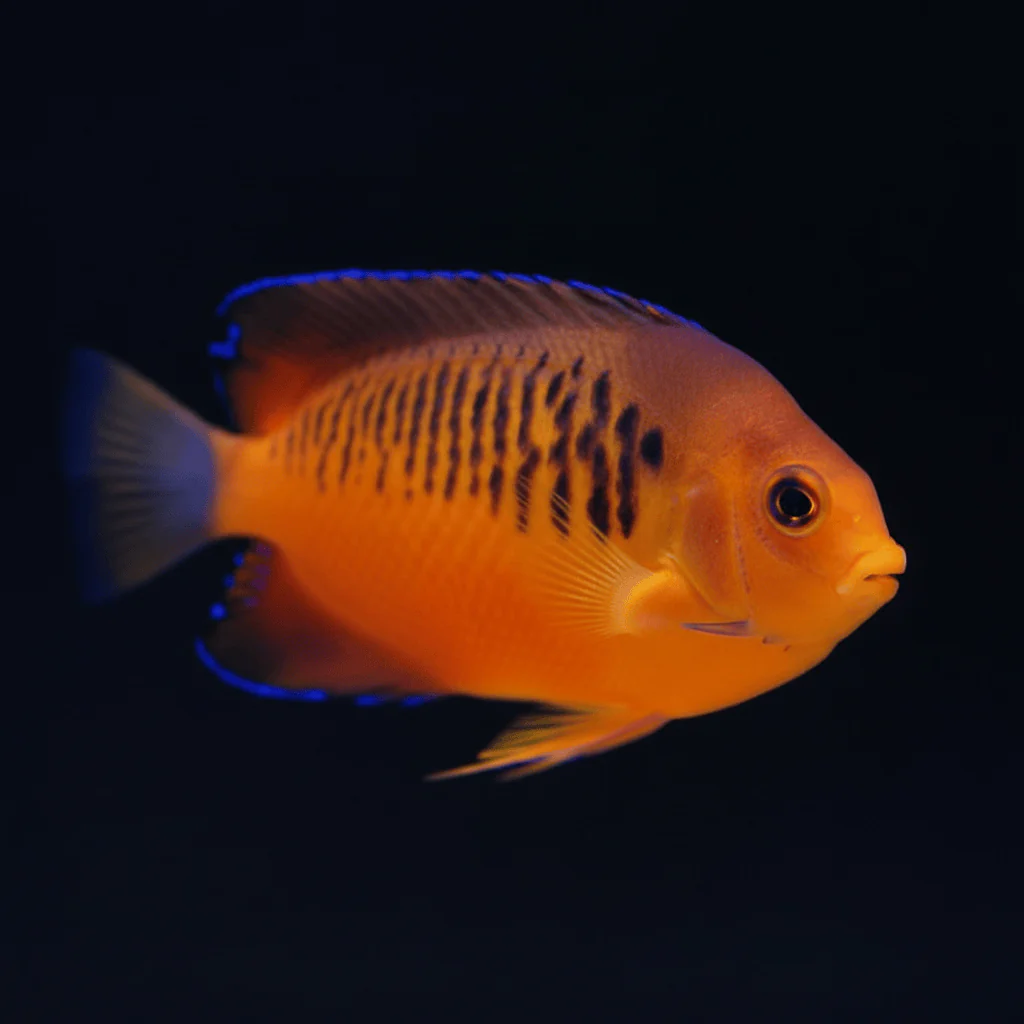
Shepardi Angel
Approx. Size: 2-3 Inches
Shepardi Dwarf Angelfish (Centropyge shepardi)
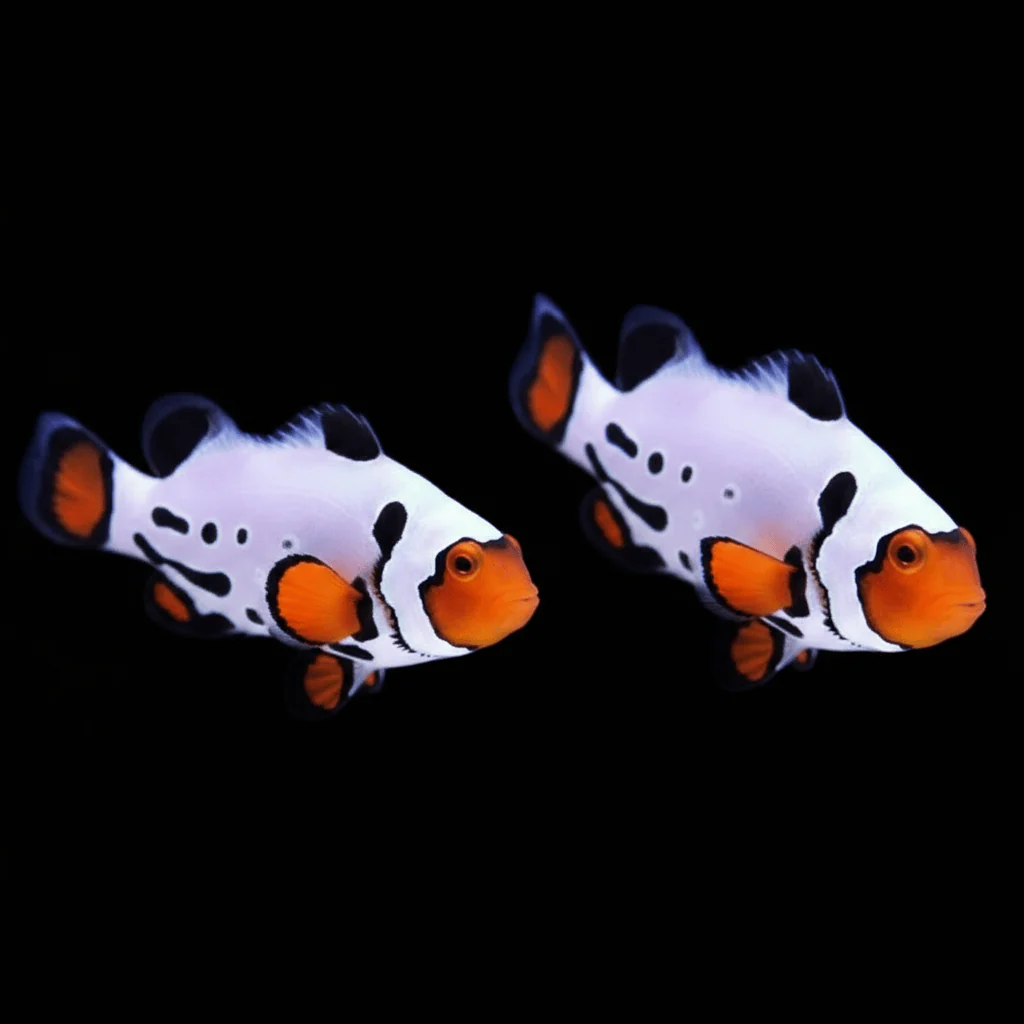
The Shepardi Dwarf Angelfish is a stunning species, known for its striking coloration and smaller size, making it a favorite in the marine aquarium hobby. Its body displays an appealing combination of vibrant yellow and orange hues with a dark blue or blackish backdrop, creating a bold contrast that captures attention. This angelfish is not only beautiful but also hardy, adapting well to home aquariums if provided the right care.
Tank Requirements
Shepardi Dwarf Angelfish thrive in tanks of at least 30 gallons, with a well-established rock structure that provides plenty of hiding spots and grazing opportunities. Like most dwarf angelfish, they appreciate a mature and stable system with stable water parameters. The tank should have plenty of live rock to mimic their natural environment, offering both refuge and foraging grounds.
Algae Grazers and Foragers
As opportunistic omnivores, Shepardi Angelfish spend a good amount of time picking at live rock and sand to graze on algae, detritus, and small invertebrates. While they do contribute to controlling algae growth, they should not be relied upon solely for algae control. Their natural foraging helps maintain the health of the tank's ecosystem by removing excess detritus.
Diet and Feeding
The Shepardi Dwarf Angelfish requires a well-balanced, varied diet to maintain its vibrant colors and overall health. Offer high-quality marine pellets, algae-based flakes, spirulina, and frozen foods such as brine shrimp or mysis shrimp. It is also important to supplement with dried algae or nori to satisfy their grazing instincts. Feed 2-3 times a day to support their activity levels and health.
Tankmates and Behavior
Shepardi Dwarf Angelfish are generally peaceful but can show signs of territorial behavior, especially towards other dwarf angelfish or similarly sized species. In a community tank, they are usually compatible with most non-aggressive fish, though caution should be used when introducing other angelfish. They are considered reef-safe with some caution—while most individuals leave corals unharmed, some may nip at soft or fleshy corals, particularly if they are not adequately fed.
Product Information
Product Information
Shipping & Returns
Shipping & Returns
Description
Approx. Size: 2-3 Inches
Shepardi Dwarf Angelfish (Centropyge shepardi)
The Shepardi Dwarf Angelfish is a stunning species, known for its striking coloration and smaller size, making it a favorite in the marine aquarium hobby. Its body displays an appealing combination of vibrant yellow and orange hues with a dark blue or blackish backdrop, creating a bold contrast that captures attention. This angelfish is not only beautiful but also hardy, adapting well to home aquariums if provided the right care.
Tank Requirements
Shepardi Dwarf Angelfish thrive in tanks of at least 30 gallons, with a well-established rock structure that provides plenty of hiding spots and grazing opportunities. Like most dwarf angelfish, they appreciate a mature and stable system with stable water parameters. The tank should have plenty of live rock to mimic their natural environment, offering both refuge and foraging grounds.
Algae Grazers and Foragers
As opportunistic omnivores, Shepardi Angelfish spend a good amount of time picking at live rock and sand to graze on algae, detritus, and small invertebrates. While they do contribute to controlling algae growth, they should not be relied upon solely for algae control. Their natural foraging helps maintain the health of the tank's ecosystem by removing excess detritus.
Diet and Feeding
The Shepardi Dwarf Angelfish requires a well-balanced, varied diet to maintain its vibrant colors and overall health. Offer high-quality marine pellets, algae-based flakes, spirulina, and frozen foods such as brine shrimp or mysis shrimp. It is also important to supplement with dried algae or nori to satisfy their grazing instincts. Feed 2-3 times a day to support their activity levels and health.
Tankmates and Behavior
Shepardi Dwarf Angelfish are generally peaceful but can show signs of territorial behavior, especially towards other dwarf angelfish or similarly sized species. In a community tank, they are usually compatible with most non-aggressive fish, though caution should be used when introducing other angelfish. They are considered reef-safe with some caution—while most individuals leave corals unharmed, some may nip at soft or fleshy corals, particularly if they are not adequately fed.